
Introduction
With social media, marketplaces, and instant messaging dominating the digital space, a common question still comes up:
Do you really need a website in 2026?
The honest answer is:
👉 Yes — but not just any website.
In today’s digital landscape, a website is no longer just an “online presence.” It has become your central business asset, shaping how people perceive, trust, and choose your brand.
Let’s break this down clearly.
🌐 1. Your Website Is Your Digital Foundation
Think of your website as your home base online.
Social media platforms come and go. Algorithms change. Reach drops. Accounts get restricted.
But your website is something you own and control completely.
Unlike social platforms, your website:
- shows your brand exactly how you want
- is always accessible
- acts as a permanent, reliable presence
👉 It’s not just a tool — it’s your digital infrastructure.
📊 2. People Still Check Your Website First
Before someone contacts you, buys from you, or trusts you—they research you.
In fact,
👉 97% of people check a business’s online presence before visiting or contacting them
If someone searches your name and finds:
- no website
- or a poor-quality one
…it immediately affects trust.
A website is often your first impression—and in many cases, your most important one.
📱 3. Websites Are More Important Than Ever (Especially on Mobile)
User behavior has changed dramatically.
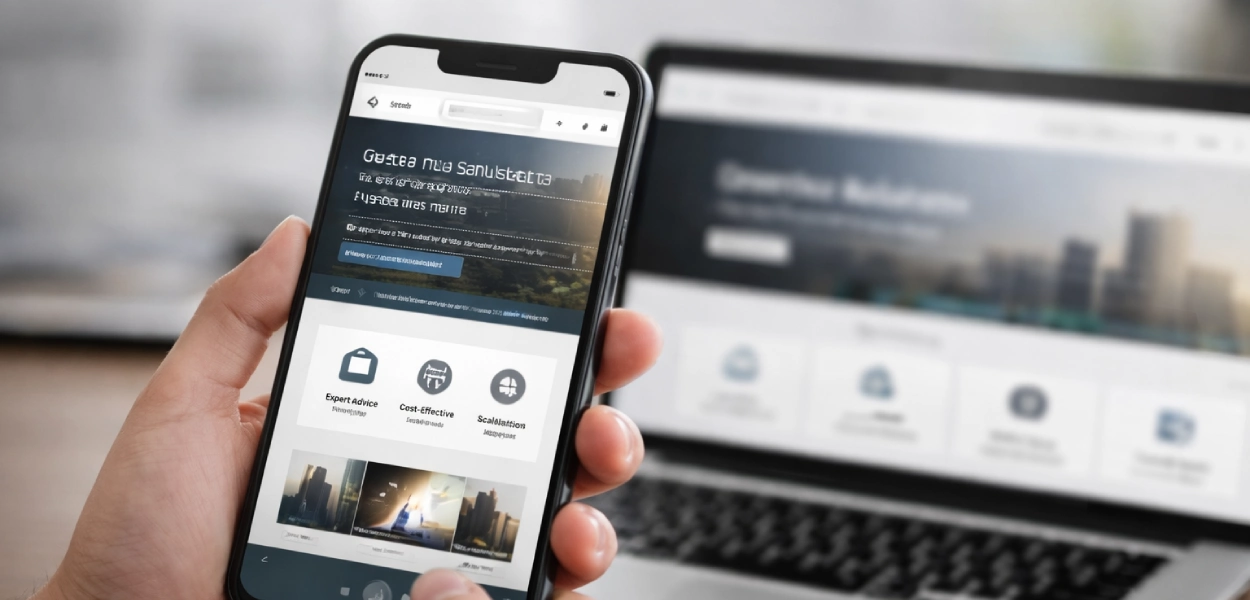
- Over 60% of website traffic now comes from mobile devices
- More than 90% of users access the internet via smartphones
That means:
👉 Your website is no longer optional—it’s expected.
If your business cannot be easily accessed, viewed, and understood on a mobile device, you are already losing opportunities.
💼 4. A Website Builds Trust Instantly
Let’s be honest.
When you hear about a business, what’s the first thing you do?
👉 You Google it.
And if there’s no website?
- It feels incomplete
- It feels less professional
- It raises doubts
A well-designed website:
- builds credibility
- explains your services clearly
- positions you as a serious business
👉 It gives people confidence before they even contact you.
⚙️ 5. It’s Not Just About “Having” a Website Anymore
Here’s where most people get it wrong.
In 2026, simply having a website is not enough.
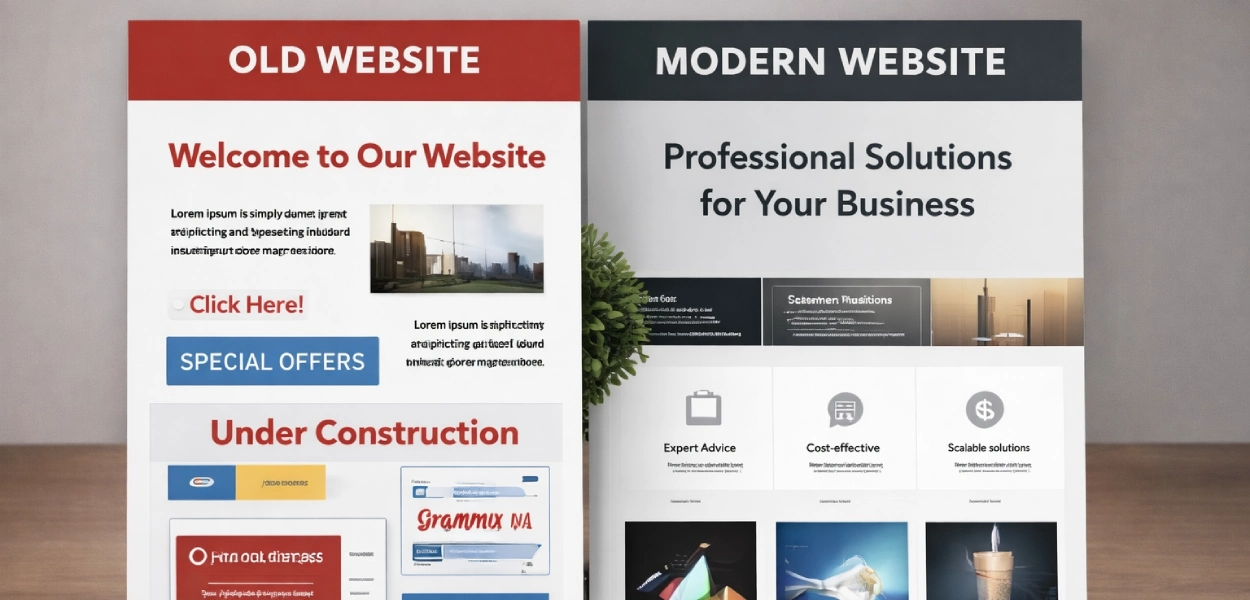
👉 There are two types of websites:
1. A website that just exists
- outdated design
- slow loading
- no clear messaging
- no conversions
2. A website that performs
- clear structure
- strong design
- fast and responsive
- built to generate leads
A modern website is expected to:
- convert visitors into inquiries
- support your marketing
- integrate with tools (forms, CRM, analytics)
- provide a seamless experience
👉 It should work for your business, not just represent it
🚀 6. Your Website Works 24/7 (Even When You Don’t)
Your website is your only employee that:
- never sleeps
- never misses a lead
- never stops working
It can:
- showcase your services
- answer questions
- collect inquiries
- generate leads
👉 All day, every day.
📈 7. It’s Still One of the Best Ways to Get Clients
Search engines still drive the majority of online discovery.
- Around 93% of online traffic comes through search engines
Without a website:
- you cannot rank on Google properly
- you miss organic traffic
- you rely only on social media or referrals
👉 A website gives you long-term visibility, not temporary reach.
⚖️ So… Do You Really Need a Website?
YES — if:
- you want to look professional
- you want consistent inquiries
- you want long-term growth
NO — if:
- you’re okay depending only on social media
- you don’t mind losing credibility
- you don’t need structured growth
💡 The Real Answer
The real question is not:
👉 “Do you need a website?”
The real question is:
👉 “Do you want your business to be taken seriously online?”
Because in 2026:
- your website = your credibility
- your website = your conversion tool
- your website = your digital foundation
🏁 Final Thoughts
A website today is not a luxury.
It’s not even just a marketing tool.
👉 It’s a core part of your business infrastructure.
And the difference is clear:
Businesses with strong websites grow consistently
Businesses without websites struggle for trust
Businesses with poor websites struggle for results