
Introduction
In 2026, users don’t just browse websites—they judge them instantly.
Within seconds, they decide:
- whether to stay
- whether to trust
- whether to take action
And that decision is influenced by three critical factors:
👉 Speed
👉 Design
👉 User Experience (UX)
If even one of these is weak, your website starts losing opportunities.
Let’s break down why these three elements matter more than ever—and how they directly impact results.
⚡ 1. Speed: The First Impression Happens Before Design
Before users notice your design, they experience your speed.
If your website takes too long to load:
- users leave
- bounce rates increase
- trust drops immediately
📉 What slow speed causes:
- frustration
- impatience
- lost conversions
✅ What fast speed does:
- keeps users engaged
- improves credibility
- supports better rankings
👉 A fast website feels professional and reliable.
In today’s environment, even a delay of a few seconds can mean lost business.
🎨 2. Design: How Your Brand Is Perceived
Design is not just about aesthetics—it’s about perception.
Your website design tells users:
- how serious you are
- how trustworthy you are
- how professional your business is
❌ Poor design:
- feels outdated
- looks inconsistent
- creates doubt
✅ Strong design:
- feels clean and structured
- communicates clearly
- builds confidence
👉 People don’t analyze design—they feel it instantly.
A refined design makes your business look established—even if you’re just starting.
🧭 3. UX (User Experience): How Easy It Is to Use
UX is what determines whether users stay—or leave.
It’s about:
- how easy your website is to navigate
- how quickly users find what they need
- how smooth the overall experience feels
❌ Bad UX:
- confusing navigation
- unclear sections
- too many steps
✅ Good UX:
- intuitive structure
- clear flow
- effortless interaction
👉 UX is invisible—but its impact is massive.
🔗 4. These Three Work Together (Not Separately)
Many people treat speed, design, and UX as separate.
They’re not.
👉 They are deeply connected.
For example:
- A beautiful design with slow speed still fails
- A fast site with poor UX still confuses users
- Good UX with bad design still feels unprofessional
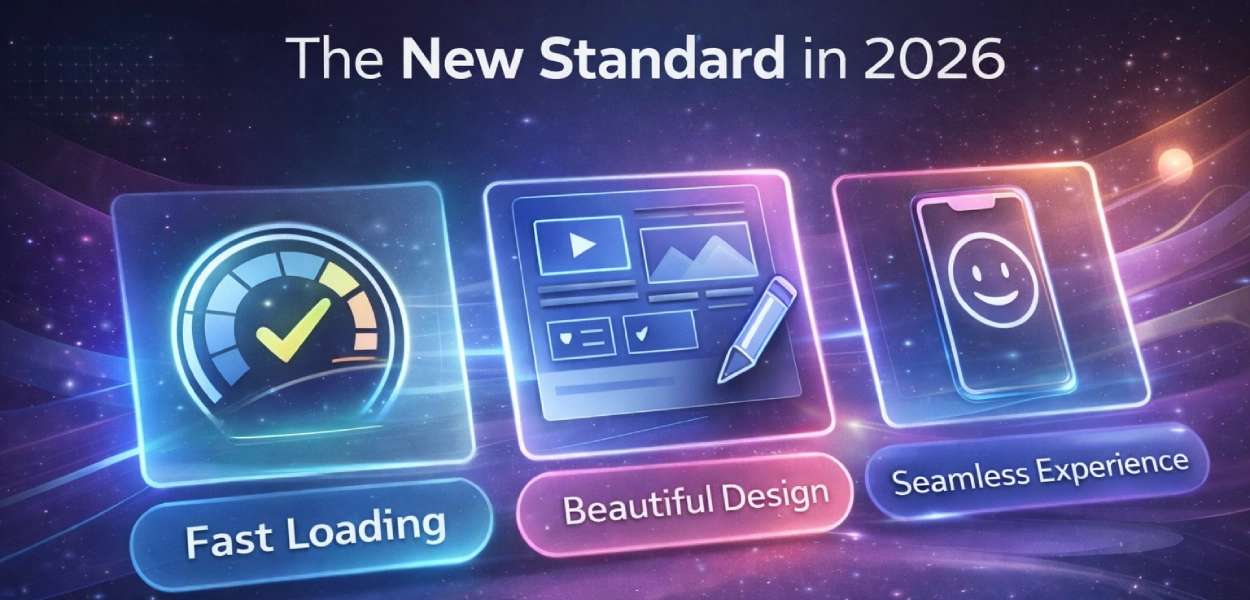
💡 The real power is in combination:
- Fast loading
- Clean design
- Smooth experience
👉 That’s what creates a high-performing website.
📱 5. User Expectations Have Changed
Users today expect:
- instant loading
- clean layouts
- effortless navigation
They are used to:
- fast apps
- polished interfaces
- seamless interactions
👉 Your website is no longer compared to competitors—it’s compared to everything users experience online.
📉 6. The Cost of Ignoring These Elements
If your website lacks speed, design, or UX:
- visitors leave quickly
- trust drops
- inquiries decrease
Even if your service is great,
👉 your website may be silently losing clients.
🚀 7. What a High-Performing Website Looks Like
A strong website today:
✔ loads quickly
✔ looks clean and modern
✔ is easy to navigate
✔ works perfectly on mobile
✔ guides users toward action
👉 It doesn’t just exist—it performs.
⚖️ The Real Difference
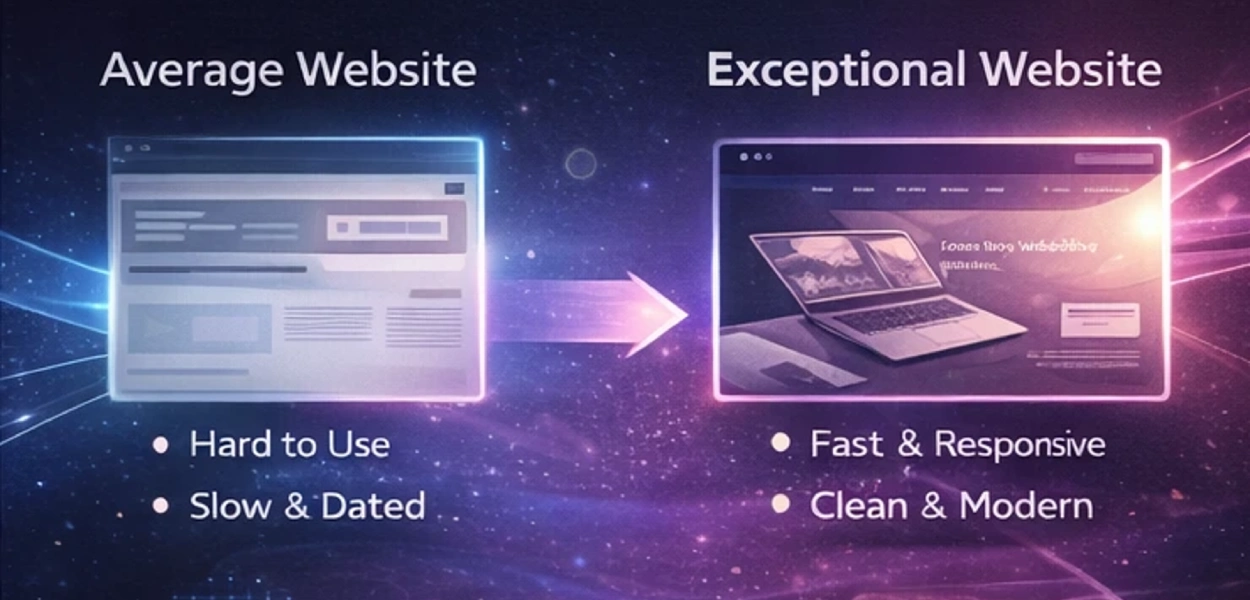
❌ Average Website:
- slow or inconsistent
- cluttered or unclear
- hard to navigate
✅ High-Quality Website:
- fast and responsive
- visually balanced
- intuitive and smooth
- built for results
🏁 Final Thoughts
In 2026, your website is more than a digital presence.
👉 It’s your first impression, your credibility, and your conversion tool.
And that’s why:
- speed builds trust
- design shapes perception
- UX drives action
When all three work together,
👉 your website becomes a powerful asset—not just a page online.